Posts

Showing posts with the label whale

The problems of Earth: Plastic pollution
Image
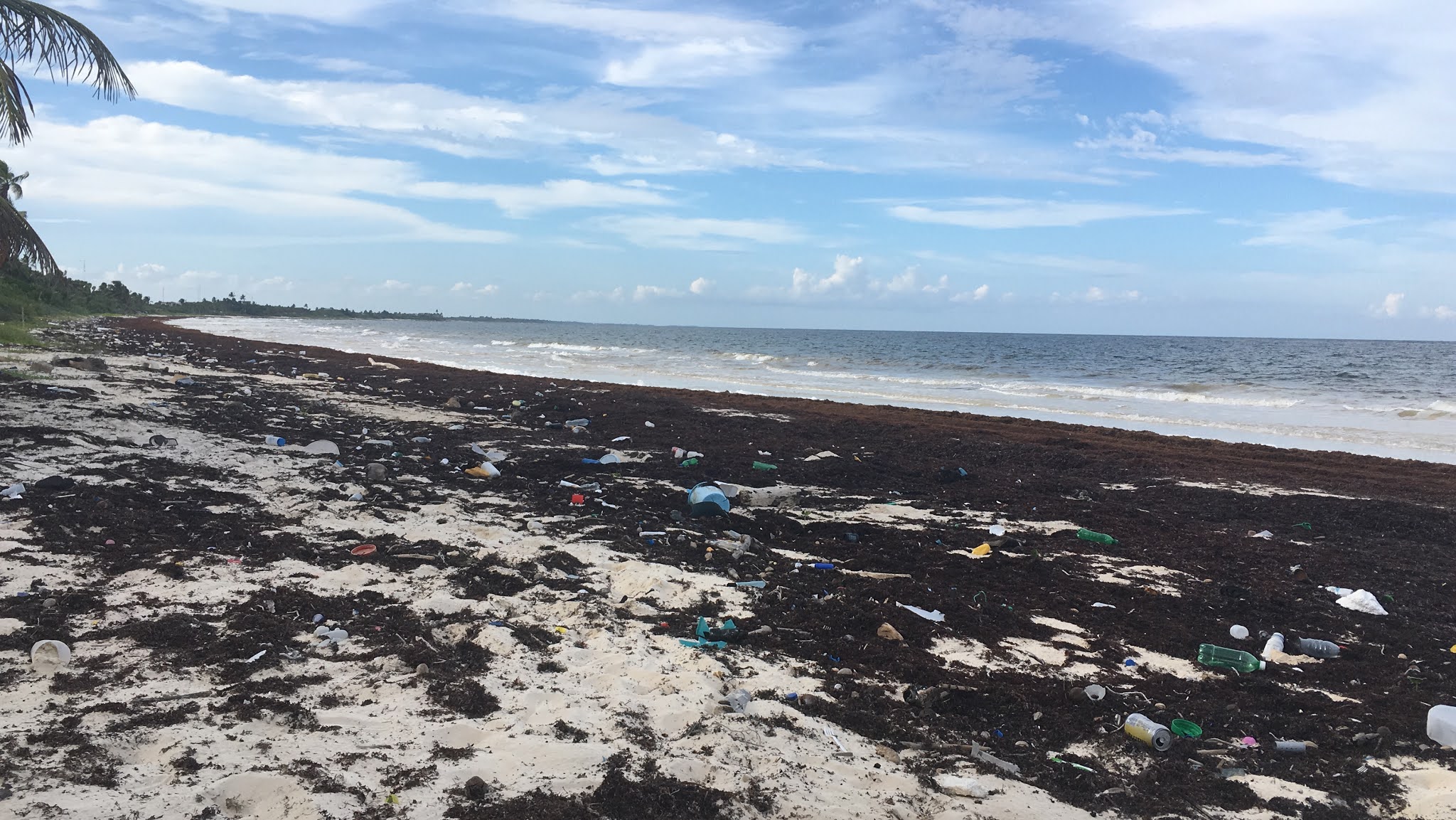
Plastic pollution is the accumulation in the environment of synthetic plastic products.   Plastic polluted “paradisiac” beach in Tulum, Mexico (Maria Serra, 2018) Plastic pollution has become one of the most pressing environmental issues: the accumulation of plastic in the ecosystem creates problems for wildlife and their habitats as well as for human populations. When the first plastic was produced in 1860, little they knew that the material would be so harmful. From that first object –a billiard ball– many modifications have been made: now plastics contain additives making them stronger, more flexible and durable.  Nowadays, 500 million metric tones of plastic are produced every year –90% more than 40 years ago– and it is projected to triple by 2050. 12 million tons of plastic waste –the equivalent of 800 Eiffel Towers– escape to the oceans annually. Every second, 200Kg of plastic is dumped into the sea. 80% of the plastic trash in the oceans –Earth’s last sink– flow...
The problems of Earth: Overfishing

Image
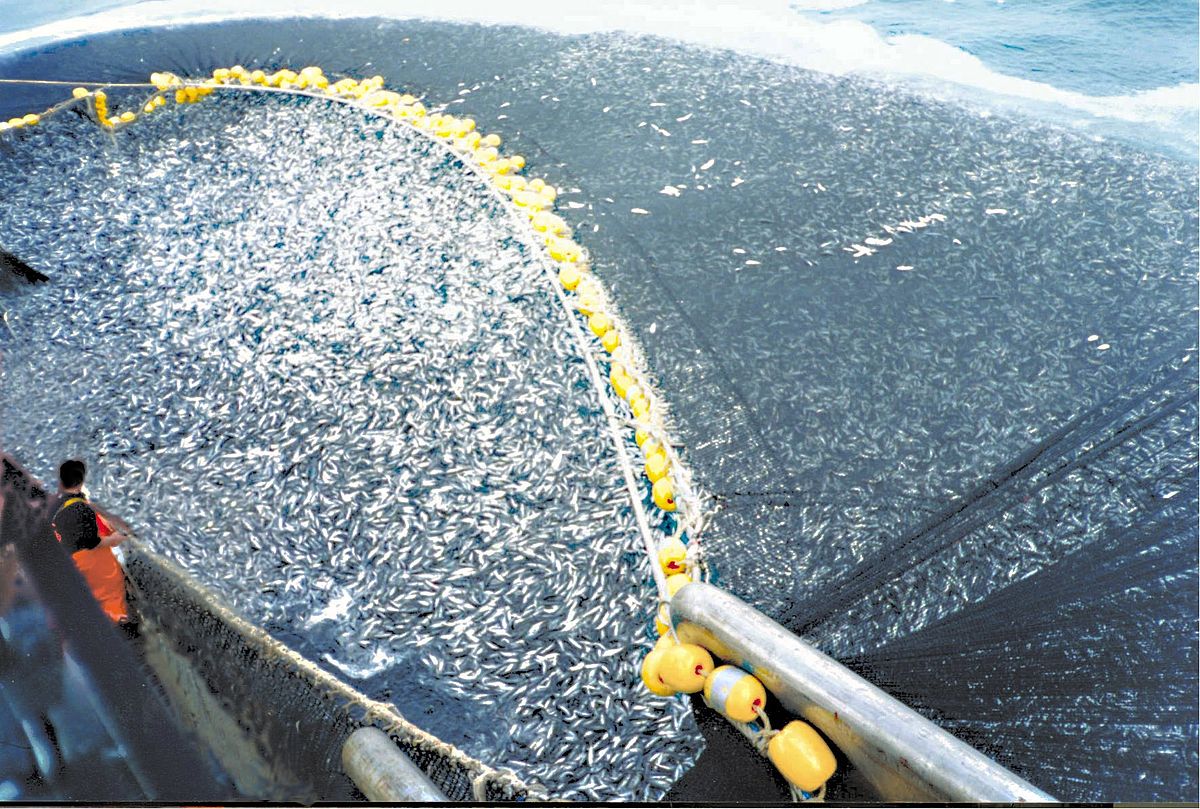
Overfishing is the taking of wildlife from the sea faster than stocks can replenish.   Commercial fishing (Wikipedia 2020).    The number of overfished stocks has tripled in half a century. Highly disruptive to the food chain, what had been isolated and regional depletions became a global and catastrophic impact by the late 20th century due to multinational fishery companies. Today, one-third of the world’s assessed fisheries are pushed beyond their biological limits, meaning that they have already collapsed.  The 90% of the fishing stocks are overexploited or exploited to their top capacity .        State of World fisheries (Environmental progress, 2018).   A study published in 2006 in the journal Science predicted that by 2050 fish populations will crash. Faced with the collapse of large-fish populations, commercial fleets are going deeper in the ocean and farther down the food chain for viable catches. Today, 90% of all large ocean hunters...

Baleen whales and Toothed whales, explained

Image
What is a baleen whale and what is a toothed whale? What do they have in common? What are the differences between them? The group of cetaceans is composed of whales, dolphins and porpoises. Dolphins and porpoises have teeth, but whales can have teeth or baleen plates depending on the species. Sometimes this creates confusion among people. In this post, we will try to explain the differences between baleen and toothed whales, what do they have in common, their origin, their phylogeny and their evolution.  Phylogeny of Cetaceans  Cetaceans, from the Ancient Greek huge fish ( ketos ), are the widest living group of aquatic mammals, they inhabit every ocean basin and some river systems. Their morphology and size are diverse, ranging in adult length from the Vaquita ( Phocoena sinus ) which is 1.45m to the Blue whale ( Balaenoptera musculus ) which grows up to 33m.  They belong to the order of Cetartiodactyla, an order that gathers the old orders of cetacean...