Posts

Showing posts with the label Birds

The Problems of Earth: Illegal wildlife trade

Image
Illegal wildlife trade –or animal trafficking– is the transport of animals from one place to another for purposes of commercial enterprise.   Illegally trafficked leopard and tiger heads at a warehouse in Denver, USA (National Geographic, 2016) Animal trafficking relies on the killing of hundreds of thousands of animals and is a multi-billion-dollar criminal industry –ranking around 23 billion USD worldwide. It is one of the world’s most pressing conservation challenges, affecting hundreds of millions of people and thousands of wildlife species. The illegal and unsustainable wildlife trade is one of the highest valued illicit trade sectors in the world. Yet work within this field is uncoordinated. Some animals that are frequently traded include fishes –including sharks and rays–, insects and arachnids, turtles and snakes, crocodilians, tigers and other big cats, monkeys, pangolins –the world’s most trafficked mammal and perilously close to extinction–, rhinos, elephants, and...
The problems of Earth: Plastic pollution

Image
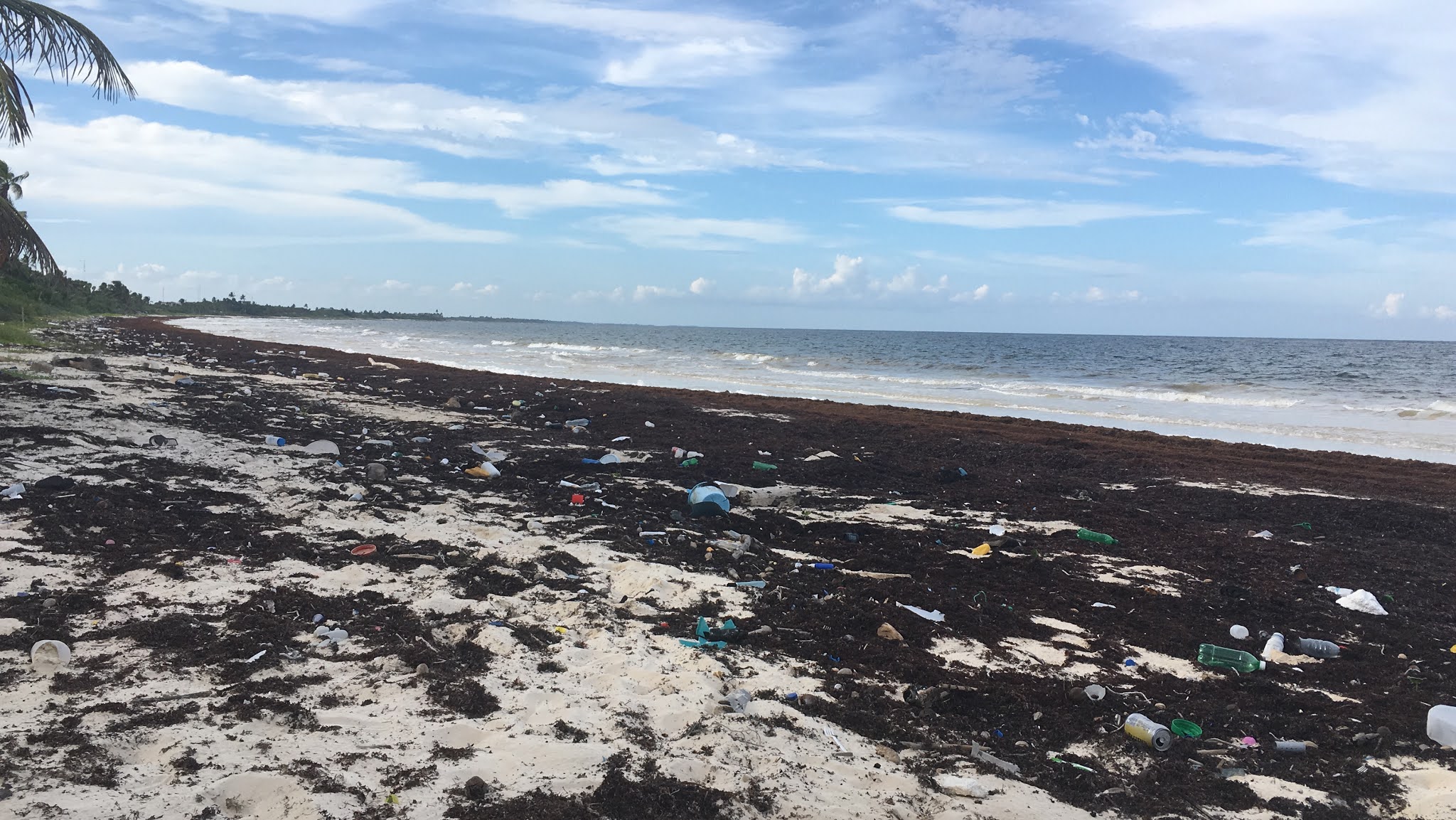
Plastic pollution is the accumulation in the environment of synthetic plastic products.   Plastic polluted “paradisiac” beach in Tulum, Mexico (Maria Serra, 2018) Plastic pollution has become one of the most pressing environmental issues: the accumulation of plastic in the ecosystem creates problems for wildlife and their habitats as well as for human populations. When the first plastic was produced in 1860, little they knew that the material would be so harmful. From that first object –a billiard ball– many modifications have been made: now plastics contain additives making them stronger, more flexible and durable.  Nowadays, 500 million metric tones of plastic are produced every year –90% more than 40 years ago– and it is projected to triple by 2050. 12 million tons of plastic waste –the equivalent of 800 Eiffel Towers– escape to the oceans annually. Every second, 200Kg of plastic is dumped into the sea. 80% of the plastic trash in the oceans –Earth’s last sink– flow...

The problems of Earth: Chemical pollution

Image
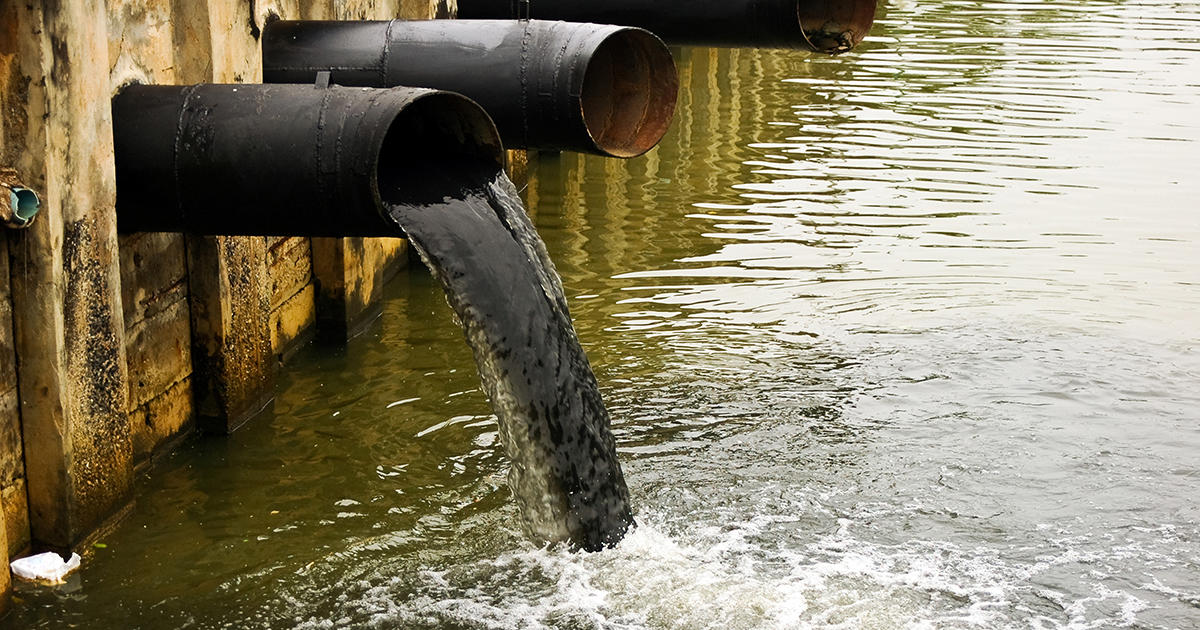
Chemical pollution is the presence of chemical elements in our environment that disrupt the balance of the ecosystem .   Dumping of polluted waters. (nrdc, 2018) Polluting chemical elements or compounds can be organic or inorganic, naturally-occurring or man-made and can be persistent , meaning that they do not easily degrade in nature. Chemical pollution affects soil, air and water.  Pollution may muddy landscapes, poison soils and waterways, threaten the health or kill plants and animals –including human beings. Chemical pollutants may accumulate in sediments over long periods of time, such as the Organochlorine Pesticides (OCPs) used for agriculture, they can also accumulate in animals, making some species unsafe to eat. More than one billion people lack access to clean water and 2,4 billion don’t have adequate sanitation, putting them at risk of contracting deadly diseases because of pollution. Every year, an estimated 2,2 billion tons of waste is dumped in our oce...